In the world of sleep, the materials under you matter as much as the pillow above your head. Memory foam and natural latex stand as two of the most influential contenders when it comes to comfort, contouring, and long-term durability. Each brings a distinct philosophy of support: memory foam’s hug-like response versus latex’s buoyant, resilient lift. The choice often depends on personal preference, sleep position, climate, and even sustainability values.
Memory Foam: The Soft, Contouring Calm
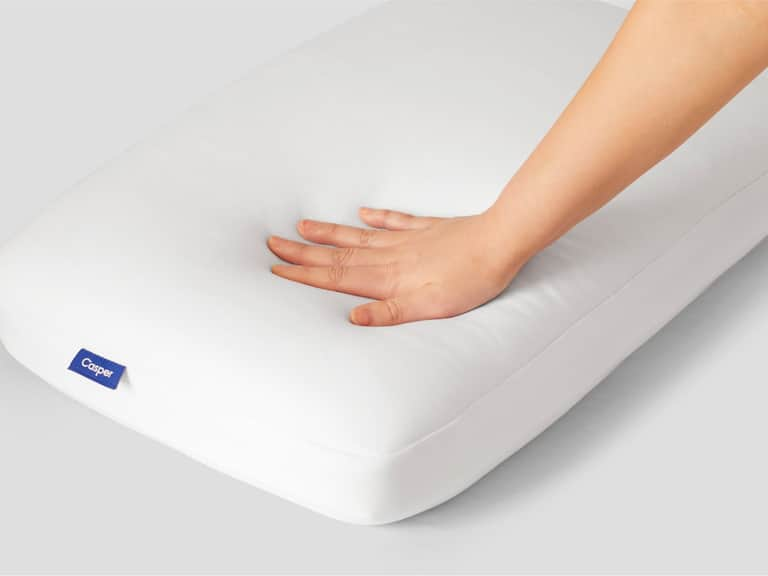
Memory foam is a viscoelastic option that softens with body heat and pressure, molding to curves to distribute weight evenly. This can translate to excellent pressure relief for those with shoulder or hip discomfort and for side sleepers who seek a lull of pressure around joints. Over time, memory foam tends to maintain a consistent surface with minimal motion transfer, which can be a boon for couples.
Temperature behavior is a frequent talking point. Traditional memory foam can feel warmer because of its density and slower dissipation of heat. Modern variants, including open-cell foams and cooling gels, attempt to counteract this effect by increasing airflow and reflective cooling properties. When considering memory foam, readers should look for:
- Density and ILD (indentation load deflection) to gauge firmness and support.
- Cooling technology: gel infusions, open-cell structures, and breathable covers.
- Durability: higher density foams generally resist body impressions longer.
Latex: The Springy, Breathable Buoyancy
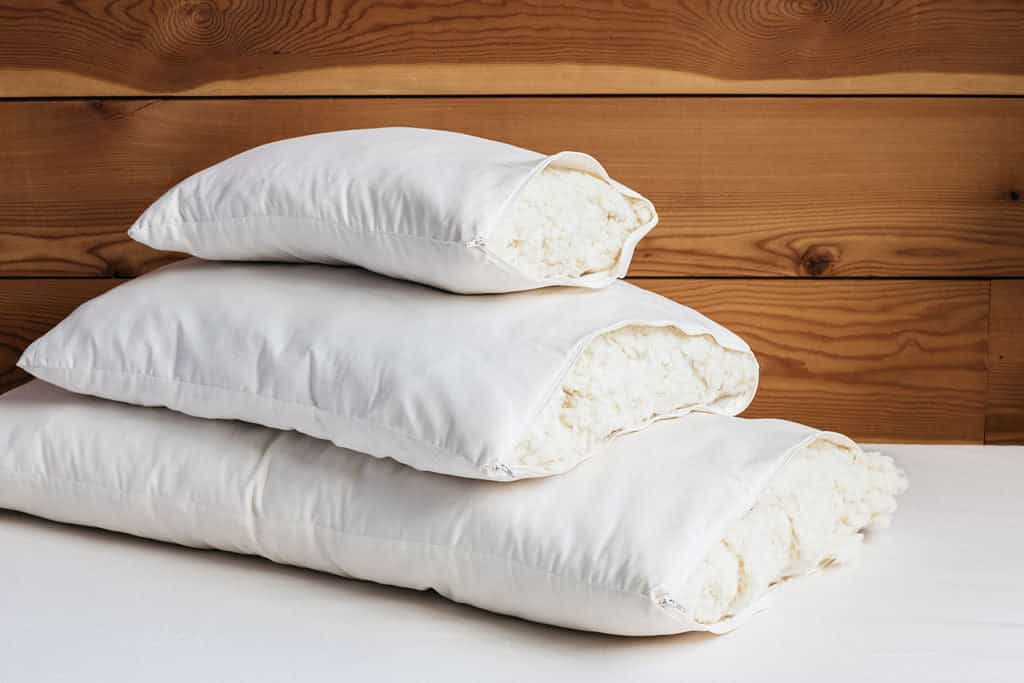
Natural latex—often Dunlop or Talalay processed—offers a different kind of support. It tends to be more resilient, returning quickly to its original shape after compression, which translates to a bouncy, buoyant feel. For many sleepers, latex provides a sense of “lift” that keeps the body more evenly aligned and can help with airflow, especially in warmer climates. Key considerations for latex include:
- Source: natural latex vs. blended or synthetic alternatives. Natural latex tends to be associated with higher sustainability benchmarks.
- Density and firmness: latex can range from soft to firm, with composition affecting contour vs. lift.
- Allergies and care: latex is inherently resistant to dust mites and can be favorable for sensitive sleepers, though individuals with latex allergies should avoid it.
Hybrid Constructions: The Best of Both Worlds
Hybrid mattresses merge memory foam or latex layers with innerspring coils to balance contouring with responsiveness and edge support. These constructions can offer the best of both worlds: targeted pressure relief from the foam or latex layers and the rebound and support of springs. If you’re unsure which path to take, a hybrid might offer a safe compromise while you test alignment and temperature performance over time.
Durability and Longevity: What to Expect
Durability in mattresses is a function of material resilience, construction quality, and usage patterns. Memory foam tends to hold shape well but can eventually develop body impressions if a lower-density foam is used. Latex generally demonstrates robust resilience and slower degradation, which can translate into longer-lived surface feel, particularly for those who switch positions or move frequently during sleep. The key is to assess warranty terms, density, and the overall build of the mattress when evaluating longevity.
Maintenance and Care: Keeping Your Mattress Fresh
Care routines influence the lifespan and performance of memory foam and latex mattresses. Regular rotation, avoiding sharp objects that could puncture the cover, and using a breathable, washable cover will help maintain comfort and prevent premature wear. For memory foam, avoid excessive moisture, as it can impact foam structure; for latex, routine cleaning and proper protection against moisture help maintain elasticity and loft.
Practical decision-making checklist
- Sleeping position: side sleepers often appreciate pressure relief, a factor memory foam handles well; back and stomach sleepers may value the lift and support of latex.
- Temperature: friends of cool sleep often lean toward latex or latex hybrids; memory foam with cooling layers can still be comfortable if you’re heat-sensitive.
- Allergies and sensitivities: natural latex alternatives or synthetic options could be preferable for some sleepers; consider the whole mattress cover and materials.
- Sustainability: if environmental impact is important, look for brands with transparent materials sourcing and eco-conscious certifications.
- Budget and warranty: higher-density foams and premium latex can be expensive, but often come with generous warranties and longer lifespans.
A Vogue Guide to Brand Context: notable voices through time
To frame the modern debate around memory foam versus latex, we can lean on voices from three distinct time periods who shaped furniture and bedding sensibilities—creators whose legacies inform how we think about comfort, form, and function today.
1) Mid-20th Century Danish Modern Influencer: Hans J. Wegner (1914–2007)
Wegner’s devotion to clean lines, functional elegance, and human-centric ergonomics resonates with today’s push for ergonomic sleep surfaces. While Wegner did not design mattresses per se, his philosophy that furniture should adapt to the human body informs the aesthetic and practical choices behind modern beds and bases. His approach to form and function invites readers to consider how frame design and mattress presentation influence sleep posture and room harmony.
2) The 1980s Sleep Science Era: Thomas Esser and the Emergence of Ergonomic Bedding
In the late 20th century, bedding science began translating laboratory findings into consumer products. Engineers and researchers began analyzing how different foam densities interact with shoulder and hip contours, while exploring the role of breathability and temperature management. Their work seeded the conversation about proper spinal alignment and pressure relief that dominates today’s foam and latex discussions. This period established the rigorous, evidence-driven tone that a Vogue-spirited guide would celebrate—combining science with accessible, stylish presentation.
3) The Modern Sustainability Movement: Zadie Khan (b. 1986)
In contemporary discourse, Zadie Khan represents the generation prioritizing eco-conscious materials. Her advocacy for transparent supply chains, organic certifications, and regenerative practices keeps the memory of natural latex and certified organic components alive in high-end sleep products. Her perspective invites readers to consider not only comfort and longevity but also how a mattress aligns with broader environmental values, echoing the “Sleep Science and Comfort Education” direction’s emphasis on sustainability.
Featured product spotlight: Essex Low Footboard Bed
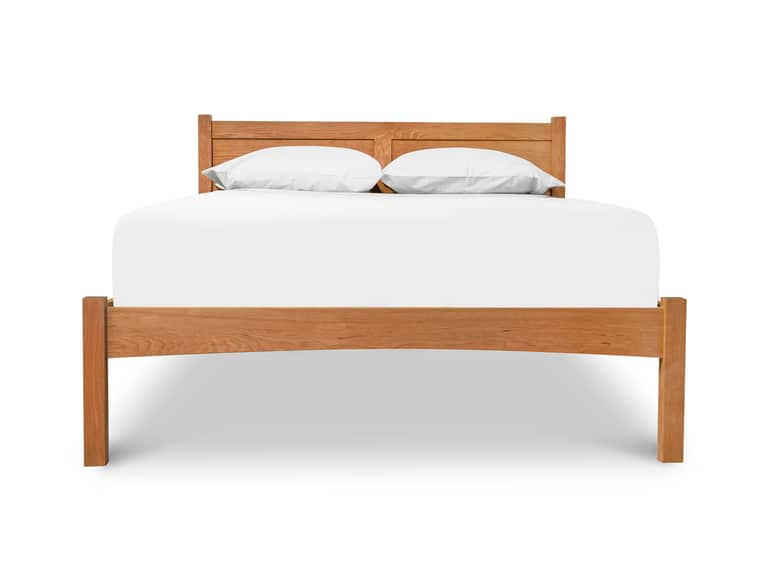
From Vermont Furniture Designs, the Essex Low Footboard Bed represents a refined anchor for a sleep sanctuary. While not a mattress itself, it demonstrates how the bed frame supports a balanced sleeping environment by offering clean lines, sturdy construction, and a two-tone design that can harmonize with memory foam or latex mattresses. Crafted from solid hardwoods and finished with eco-friendly linseed oil and wax, this piece embodies the same ethos of longevity and responsible design that informs bed surfaces across generations.
Displaying product: Essex Low Footboard Bed
In a Vogue-inspired room, pairing a memory foam mattress with a slim, elegant bed frame like Essex creates a balance between indulgence and restraint. The bed acts as a stage for the sleeping surface, and the materials speak to a narrative of sustainability, craftsmanship, and quiet luxury.
Conclusion: Crafting Your Sleep Narrative
Memory foam and natural latex each offer a distinct storytelling arc for your sleep space. The memory foam tale is about personalized contouring and the promise of pressure relief at rest; the latex narrative is about buoyant responsiveness, breathability, and a resilient bounce that keeps alignment in motion. The best decision often depends on personal sleep chemistry, climate, and values. By combining rigorous material knowledge with an eye for design and a dash of fashion-forward sensibility, you can curate a sleep setup that feels both scientifically sound and aesthetically sublime.