Blankets are a foundational part of bedding, adding a layer of warmth and comfort for sleep, rest, or relaxation. Their usefulness depends on factors such as material, weight, breathability, and season. Understanding these characteristics helps distinguish lightweight coverings for warmer conditions from insulating blankets suited to cooler nights.
Natural fibres and other breathable materials can help manage warmth by allowing air to circulate around the body. Blanket weight and weave also affect how a covering feels and how readily it can be layered with sheets, pillows, and other bedding. Care instructions are important because washing and drying requirements vary by material.
Blankets are commonly used with a mattress and fitted or flat sheets, while pillows support comfortable positioning. Layering makes it possible to adapt bedding to changes in room temperature without replacing the underlying sleep setup. For children’s sleep spaces, blanket suitability should be considered alongside age, safety guidance, and the design of the bed.
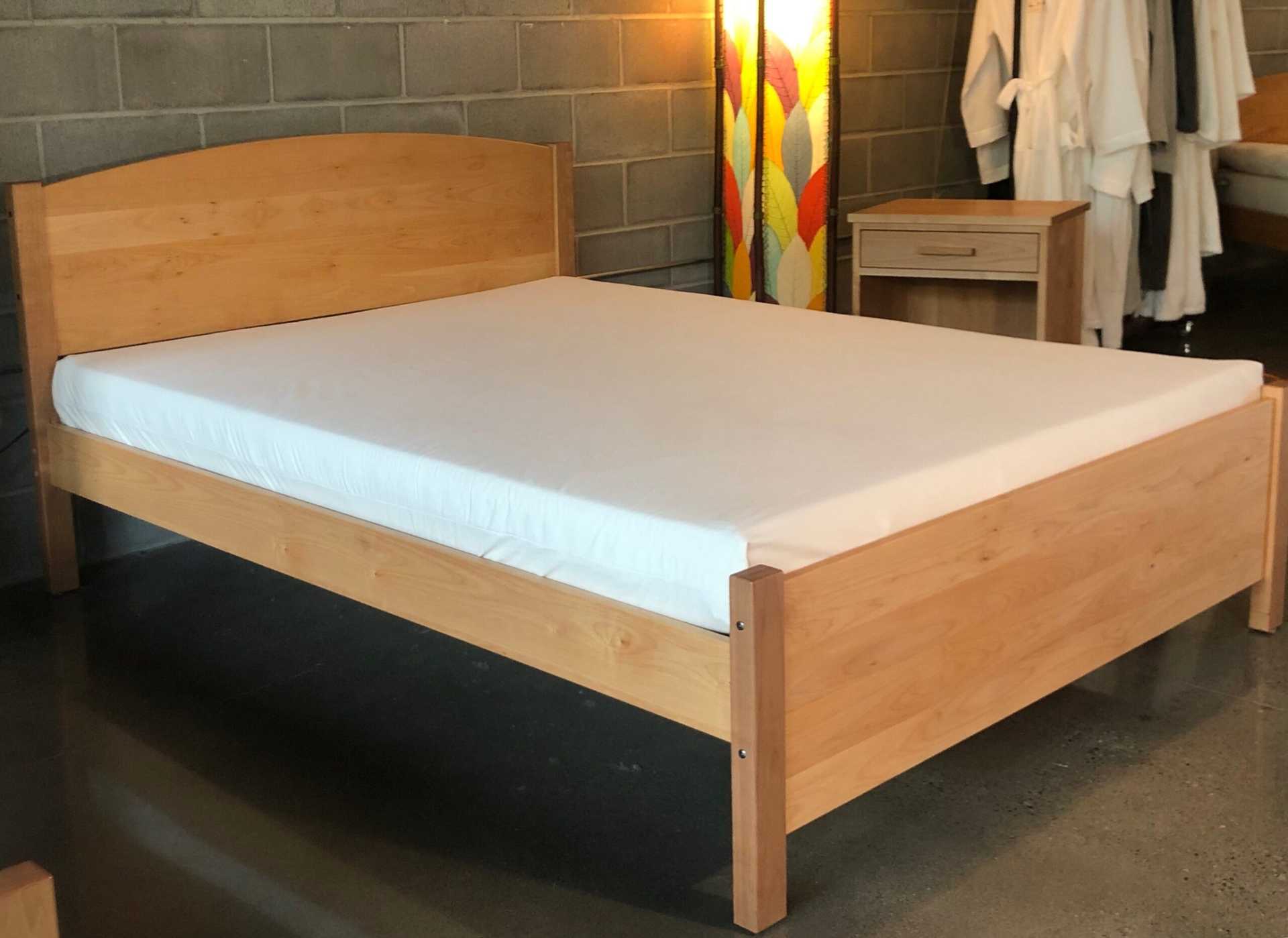
The Natural Wool & Latex Mattress 6.5 Inch is a related bedding product listed in this category context, rather than a blanket. Its natural wool and latex construction combines cushioning with a supportive sleep surface, while its 6.5-inch profile may suit beds requiring a relatively compact mattress. These features serve different functions from a removable blanket.
When considering bedding as a whole, material composition, comfort preferences, maintenance, and intended use all matter. Organic mattresses and organic crib mattresses describe mattress options, not blanket types; comparing them with blankets helps clarify their distinct roles. A coordinated sleep environment may include a mattress, sheets, pillows, and a suitable blanket for added warmth.
 Bedding