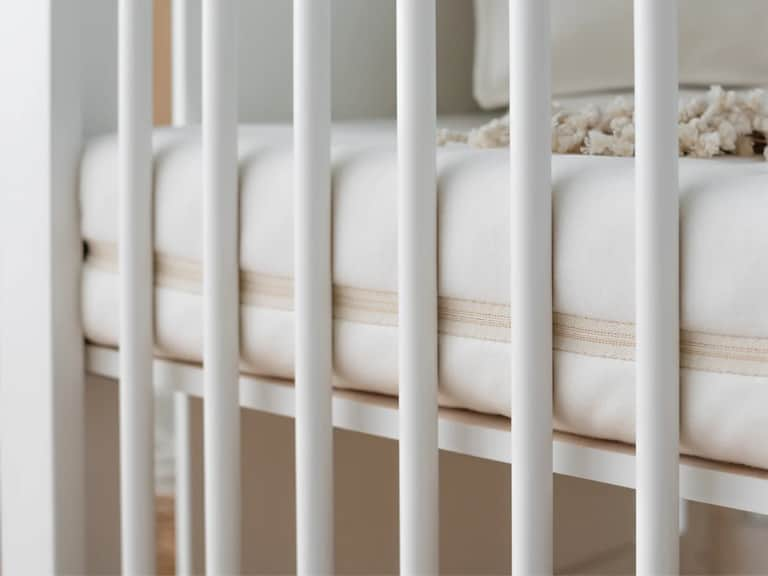
Crib mattresses provide a firm, supportive sleep surface sized for an infant’s crib. A suitable fit helps limit gaps between the mattress and crib sides, while a stable surface supports everyday sleep routines. Mattress dimensions, construction, and care instructions are important considerations when assessing bedding for a nursery.
Organic crib mattresses are made with materials described as organic, though composition and certifications can vary by product. Reviewing the materials and manufacturer’s specifications helps caregivers understand what a mattress contains and how it should be maintained. Ventilation, durability, and compatibility with the crib are also useful factors to consider.
The Obasan Organic Crib Mattress is an example of an organic crib mattress in this category. Its product name identifies it as a crib-sized mattress with an organic-material focus. For specific details—including its construction, dimensions, firmness, certifications, and care requirements—refer to the product’s published specifications rather than assuming features from the name alone.
A crib mattress works as part of a broader sleep setup that may include fitted sheets and other bedding. Sheets should be designed for the mattress dimensions and fit securely. Pillows and loose bedding are generally not appropriate for an infant’s sleep space; caregivers can consult current safe-sleep guidance for recommendations suited to the child’s age.
When comparing crib mattresses, consider fit, firmness, material information, cleaning guidance, and compliance with applicable safety standards. Organic mattresses may be relevant to families prioritizing material sourcing, but the term alone does not establish performance or safety. Clear specifications help distinguish organic crib mattresses and evaluate their practical role in nursery bedding.
 Nursery